Ever Legion
- 4.5
- Rating
- 1.00M
- Installs
- Free
- Price

 Analysis by App-foxy
Ever Legion made a stronger first impression on me than I expected from a mobile role-playing game. Its opening presentation aims for a grand fantasy mood immediately, but the real test is whether that mood survives once the menus, battles, upgrades, and repeated progression begin to take over. After spending time with it, I found a game built around the contrast between dramatic presentation and highly structured routine. It wants to feel like a journey through a dangerous magical world, while also giving me a steady sequence of team decisions, rewards, and improvements to check.
That combination will appeal to players who enjoy fantasy adventures that can be played in short sessions. I could make progress without treating every visit as a long gaming commitment, yet there was enough character development and tactical preparation to give my choices some weight. It is free to play, which makes trying it easy, although optional purchases range from under a dollar to nearly a hundred dollars per item. That pricing range is important context for anyone who prefers a completely even playing field or dislikes being encouraged toward spending.
The game comes from VoyagerOne IE and sits firmly in the role-playing category. It is rated Teen, and its fantasy conflict, character art, and progression systems are aimed at an audience comfortable with a more dramatic adventure tone. The Android release supports devices running version 5.0 or later. I would not choose it for a very young player simply because the age rating and presentation suggest a more mature fantasy atmosphere than a light cartoon game.
You May Also Like

 Blood Strike: 2.5 Anniversary
Blood Strike’s Loadouts Turn Every Drop Into a Tactical Gamble
A close look at Blood Strike’s custom loadouts: how fast access to signature weapons reshapes its battle royale rhythm, rewards preparation, and narrows the gap between fights.

 Pandora - Music & Podcasts
Pandora’s Music Is Easy to Start, but Harder to Recover
Pandora’s strength is its low-effort path from a seed to a station. Its weak spot is how much confidence it asks you to place in connection, setup, and quiet recovery.

 8 Ball Pool
 Is Built on Rivalries, Rematches, and Routine
A close look at the rivalries, rematches, shared routines, and unanswered safety questions that turn a quick pool match into a persistent mobile community.

 Samsung Music
’s Quiet Strength Is Playing What You Already Own
Its reach comes less from spectacle than from dependable access to a personal library. That simplicity is both the app’s strongest retention engine and its ceiling.

 AccuWeather: Weather Radar
AccuWeather Review: A Quick, Clear Forecast for Everyday Decisions
For everyday plans, the best forecast is the one you can understand quickly. AccuWeather makes rain timing, radar, and local conditions easy to act on, with a few trade-offs.

 Hill Climb Racing
Why Hill Climb Racing Still Turns Crashes Into One More Run
A tiny car, a bumpy hill and one more upgrade: Hill Climb Racing keeps resurfacing because its simple chaos makes every near-miss feel personal.
More From Our News Desk



A fantasy world that communicates through visual choices
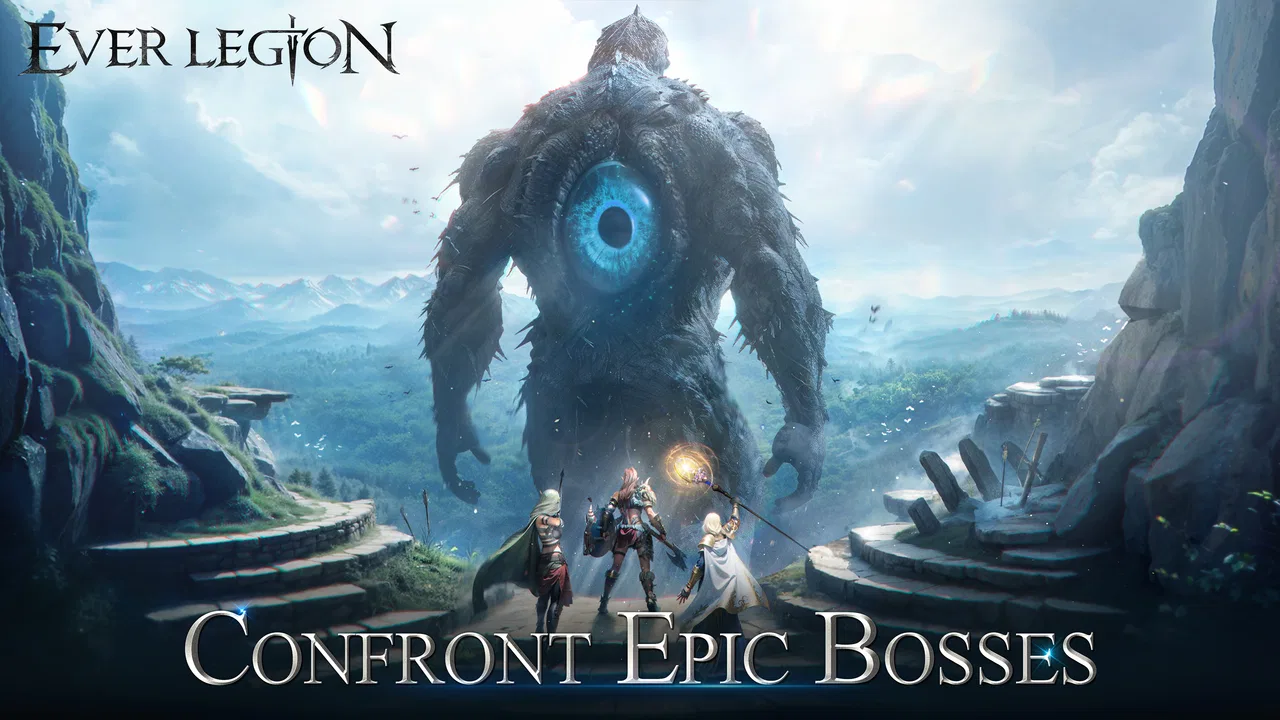
What stood out first was the way the setting tries to communicate scale. The title presents itself as a journey through magic and fantasy, but the appeal is not only the presence of spells or heroic characters. The visual language is built around contrast: bright magical effects against darker threats, imposing figures beside more vulnerable-looking companions, and ornate fantasy details that make the world feel larger than the individual encounter in front of me.
I like this approach because it gives the progression a sense of direction. When I improved a character or assembled a stronger group, the action felt connected to a wider adventure rather than being just a collection of disconnected battles. The setting does not need to explain every detail at once. Its job is to make each new stage feel like another step into a world with its own dangers and legends, and the art direction generally supports that goal.
The character presentation also matters mechanically. In a game where the team is central, visual differences help me remember who is filling which role. I am more likely to recognize a character by silhouette, costume, or magical identity than by reading every line of text again. That makes the roster easier to follow during quick sessions, especially when I am returning after a break and need to remember which heroes belong in my current formation.
There is a useful trade-off here. The polished fantasy look can make the game feel inviting, but it also creates expectations of a constantly dramatic adventure. In practice, much of the experience is still made up of menus, reward collection, upgrading, and preparing for the next encounter. Players who want uninterrupted exploration may find that the world is more strongly expressed through presentation and progression than through free movement.
How the setting affects everyday play
A realistic use case is a short evening session after work or school. I can open the game, check what has changed in my team, collect available progress, and decide whether a new upgrade is worth pursuing. The fantasy framing gives that routine a little more emotional color than a plain checklist, but the routine remains visible. This is not a game I would recommend if you need every minute to deliver a major story revelation.
The most useful habit is to pause before spending resources just because a new reward appears. I found it more satisfying to look at the next obstacle, identify which part of my team was underperforming, and then invest with that problem in mind. That small change turns progression from automatic tapping into a more deliberate role-playing decision. It also reduces the temptation to spread improvements too thinly across every available character.
Another practical point is that the fantasy presentation can make new content feel more important than it actually is. A dramatic entrance or powerful visual effect does not automatically mean the new option belongs in my active group. I learned to judge characters by how they fit the team I was already using, not only by how impressive they looked when introduced. That is a simple distinction, but it prevents a lot of wasted upgrading.
Sound, pacing, and the feeling of a continuing journey
The sound design works best when it reinforces the game’s sense of movement. Fantasy role-playing games need audio that can make a small encounter feel connected to a larger conflict, and Ever Legion generally uses its sound and visual rhythm to keep that impression alive. The result is not constant intensity. Instead, the game moves between preparation, action, reward, and improvement, creating a loop that feels closer to managing an expedition than sitting through one long battle sequence.
That pacing is one of the reasons I can see myself returning to it in small portions. Battles and progression are arranged so that I can make a decision, see an outcome, and then adjust my plan. The rhythm is comfortable for mobile play because it does not demand the same uninterrupted attention as a console role-playing game. I can play while taking a break, then stop after making a meaningful upgrade or completing a stage.
However, the same rhythm may feel repetitive if I am looking for constant manual control. The game’s appeal comes from building momentum over time, not from turning every encounter into a demanding action challenge. Once the novelty of the setting settles, the repeated cycle becomes the main experience. I enjoyed that when I was in the mood for gradual progress, but I would choose a more directly controlled role-playing game when I wanted reflexes, exploration, or a stronger sense of moment-to-moment agency.
The sound also helps separate the game’s different moods. The world needs a sense of danger during conflict, but it must leave room for the calmer planning sections to feel useful rather than empty. I found that contrast important: the quieter management moments give the dramatic encounters more purpose, while the battles provide a reason to return to the preparation screen. Without that alternation, the upgrade systems would feel like chores.
Why the pacing matters more than it first appears
For me, the key question is not whether the game is fast or slow. It is whether the pacing respects the way I want to play. Ever Legion is at its best when I treat it as a continuing fantasy routine: make a few choices, improve the group, face the next challenge, and leave with a clear idea of what to do next time. It is less convincing when I expect a long uninterrupted adventure with constant new mechanics.
I also recommend setting a personal stopping point before beginning a session. Because rewards and upgrades can create a steady feeling of “one more improvement,” it is easy to continue longer than planned. A useful stopping point might be after testing a new team arrangement or finishing a particular progression goal. This keeps the game’s rhythm enjoyable instead of allowing the reward loop to become background noise.
Where the role-playing mechanics fit the mood
The mechanics support the atmosphere because they make the fantasy world feel like something I am organizing and developing, not merely watching. Team building is the central mental task: I need to think about which characters belong together, which weaknesses are becoming a problem, and whether a new improvement changes the balance of the group. That gives the setting a practical purpose. The heroes are not only visual symbols; they are pieces of a larger plan.
I found the game more rewarding when I treated each formation as a response to a specific problem. Instead of asking which character looked strongest in isolation, I asked whether the team could survive the next challenge, maintain enough pressure, or cover a weakness. This is one of the more valuable ways to approach the game because it makes progression feel strategic even when the individual battles are not especially demanding.
There is also a difference between short-term power and long-term value. A quick improvement can help me pass an immediate obstacle, but a more balanced investment may make future stages easier to manage. I prefer saving some resources until I understand what my group actually needs. That approach is particularly useful for free players, since optional purchases can make it tempting to solve every problem by acquiring or improving something immediately.
The free-to-play structure is the main mechanical limitation for me. The game can be enjoyed without paying, but the presence of in-app purchases from $0.99 to $99.99 per item means spending is part of the surrounding design. I would advise deciding in advance whether purchases are completely off limits, limited to a small personal budget, or simply something to ignore. Making that decision early keeps the progression choices clearer and makes it easier to judge the game on its actual play rather than on pressure to accelerate.
Who will enjoy the progression, and who should skip it
I think Ever Legion is a good match for players who like fantasy team building, gradual character growth, and mobile sessions that can be divided into manageable visits. It is especially suitable if you enjoy checking how a group develops over time and making small tactical adjustments rather than controlling every movement directly. The large audience around it reflects that the format has broad appeal, with more than a million installs and an average rating of 4.5 from roughly seventy-three thousand ratings.
I would be more cautious recommending it to someone who wants a story-first role-playing game with extensive exploration, or to someone who dislikes repeating progression routines. It is also not the best choice for a player who wants a completely purchase-free environment with no temptation to speed things up. A traditional single-player role-playing game may be better for those players, while a real-time action title may suit anyone who values direct control above roster management.
Another group that may want to skip it is anyone who becomes frustrated by making decisions with incomplete information. Team-building games often ask me to invest before I know exactly how useful a character will remain later. If that uncertainty feels stressful rather than interesting, the game’s long-term progression may feel like work. I enjoyed experimenting, but I understand why a player might prefer a clearer, more predictable upgrade path.
The current version is 0.5.292, which is worth checking before installation because version details can matter when comparing the experience across devices. I would also make sure the phone meets the Android requirement of 5.0 or later. The game is free to start, so the most sensible approach is to try its basic rhythm first rather than deciding in advance that the full progression will suit you.
My verdict on the atmosphere and the actual game underneath
Ever Legion succeeds when its art direction, sound, and progression point in the same direction. The magical setting gives the team-building loop a sense of purpose, the character presentation makes the roster easier to read, and the pacing supports short sessions without abandoning the feeling of a continuing journey. I did not experience it as a pure story adventure, but I did feel that the world gave structure and personality to the routine of improving a group.
My strongest recommendation is to play thoughtfully rather than automatically. Watch how the team handles each challenge, invest in response to a real weakness, and resist treating every new reward as an obligation to spend. That workflow reveals more of the role-playing depth and helps free players avoid unnecessary pressure. It also makes the game feel less like a sequence of buttons and more like a personal expedition through a fantasy setting.
The limitations are clear: the progression can become repetitive, the game is less suitable for direct-action fans, and the range of optional purchases may bother players who prefer a simpler free experience. Those are not minor details, but they do not erase the appeal of the presentation. They simply define the kind of player who will get the most from it.
After playing it, I would recommend Ever Legion to a friend who wants a polished fantasy mood wrapped around accessible team progression. I would describe it as a game for returning to, not rushing through: a place to make a few smart decisions, see the group grow, and let the atmosphere carry the routine. If you enjoy measured fantasy progression more than constant action, it is worth trying for free; if you need deep exploration or strict control, choose a different role-playing experience.
FAQs for Ever Legion
01What is Ever Legion, and what kind of game is it?
Ever Legion is a fantasy idle role-playing game that combines turn-based team battles, hero collection, campaign progression, and strategic formation building. You recruit characters from different factions, improve their equipment and abilities, and send them into battles against increasingly difficult enemies. Much of the progression can continue through idle rewards, making it suitable for players who enjoy RPG systems without needing to remain in combat constantly.
02Can I play Ever Legion without spending money?
Yes, Ever Legion can be played for free, and you can make progress by completing campaign stages, daily activities, events, quests, and other in-game challenges. However, the game includes optional purchases that can provide premium currency, summon opportunities, resources, or progression advantages. Free players may need more patience and careful resource management, especially when competing in advanced content or player-versus-player modes.
03Does Ever Legion require an internet connection?
Ever Legion is primarily an online game, so a stable internet connection is generally required to access your account, receive idle rewards, participate in events, synchronize progress, and use multiplayer or competitive features. Although some menus or previously loaded sections may appear accessible briefly without a connection, the full experience depends on connecting to the game’s servers. Using Wi-Fi or a reliable mobile network is recommended.
04What should beginners know about building a team in Ever Legion?
New players should avoid investing all resources into random heroes and instead focus on a balanced team with damage dealers, defensive characters, and support or healing abilities. Faction relationships, hero roles, equipment, and skill upgrades can significantly affect battle results. It is also wise to compare character abilities before spending rare upgrade materials, since rebuilding a roster later may require additional resources or careful planning.
05Is Ever Legion suitable for casual players?
Ever Legion can work well for casual players because idle rewards allow your team to collect resources even when you are away from the game. Short daily sessions are usually enough to claim rewards, complete routine tasks, improve heroes, and attempt new stages. Nevertheless, players who want to remain highly competitive may need to log in more frequently for limited-time events, guild activities, rankings, and time-sensitive rewards.
Pros
- Strategic combat offers meaningful team-building and formation choices.
- A wide roster of heroes supports varied playstyles and squad compositions.
- Idle rewards let you make progress even during short play sessions.
- Guild activities add social goals and cooperative rewards.
- Regular events provide extra challenges
- resources
- and limited-time content.
Cons
- Progress can slow considerably without frequent upgrades and resource management.
- Many upgrade systems may feel overwhelming for new players.
- Duplicate heroes are often needed to reach higher upgrade tiers.
- Competitive modes can favor players who spend more on premium resources.
- The game requires a stable internet connection to access most features.

Ever Legion
Gallery